

The revised laws will come into force on October 1, 2026, subject to approval by the ICC for international cricket.
Below are the key law changes announced by the MCC:
Final Over Must Be Completed
In multi-day matches, including Tests, the final over of the day will now be bowled in full even if a wicket falls. The incoming batter must immediately take guard and face the remaining deliveries, ending the practice of carrying balls over to the next day.
Laminated Bats Approved for Adult Cricket

Laminated (Type D) bats, made from up to three pieces of wood, have been approved for adult recreational cricket. Previously limited to junior levels, the change is intended to reduce equipment costs. The MCC clarified that laminated bats offer no performance advantage.
Clearer Definition of Hit Wicket
A batter can now be given out Hit Wicket if they break the stumps while regaining balance after playing a shot. However, a batter will not be out if they are pushed onto the stumps by a fielder unless the contact is purely accidental.
Overthrows Clearly Defined
The Laws now distinguish overthrows from misfields. An overthrow is defined as a deliberate attempt to return the ball to the stumps to prevent runs or attempt a run-out. Ordinary throws or efforts to stop the ball are considered misfields.
Greater Umpire Discretion on Dead Ball
The ball no longer needs to be in the bowler’s or wicketkeeper’s hands to be declared dead. Umpires can now judge the ball as dead if it is stationary or in the possession of any fielder, allowing for more practical decision-making.
Boundary Catches Tightened
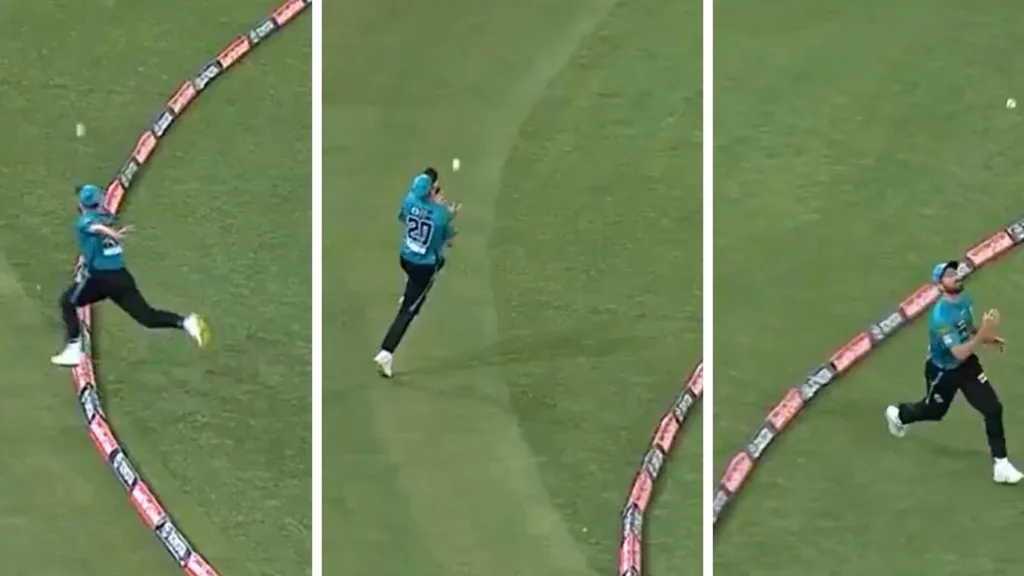
Under the revised Law 19.5.2, fielders who jump from outside the boundary are now allowed only a single airborne contact with the ball. After that touch, they must remain fully inside the boundary for the rest of the play; otherwise, the delivery will be ruled a boundary. This change effectively eliminates so-called “bunny hop” catches.
Wicketkeeper Positioning Clarified
As per the updated Law 27.3.1, a wicketkeeper’s gloves may be positioned in front of the stumps during the bowler’s run-up. However, at the moment the ball is released, the gloves must be completely behind the stumps to avoid an infringement.
Implementation
The updated Laws will be reviewed by the ICC Cricket Committee for inclusion in international playing conditions. Individual cricket boards may choose to adopt the changes in domestic competitions.
MCC Laws Manager Fraser Stewart said the revisions were designed to reflect the evolving nature of cricket and ensure the Laws remain relevant at all levels of the game.